


Branding is crucial to a successful sales strategy because it determines how customers perceive, trust and remember your business. A good brand brings credibility, draws in solid leads and facilitates a great lead management that maintains consistency for your messaging. If your branding is clear and strong, every piece of the sales process becomes easier — from getting customers’ attention to turning them into paying clients.
So, invest in a strong branding strategy if you want to see your business grow.
But What Exactly is Branding?
When many of us think about branding, we jump immediately to a logo — but branding is so much more than focusing on your colours and image. Branding is defined as the art of influencing how people perceive your business through every point of contact, says HubSpot. In short, your brand is not what you tell people they can expect from doing business with you; it’s what they experience and remember that tells them what to expect.
Consider your favorite brands for a second:
- Apple: Simplicity and innovation.
- Nike: Inspiration, movement, and imagination.
- Disney: Magic, wonder and emotion-based storytelling.
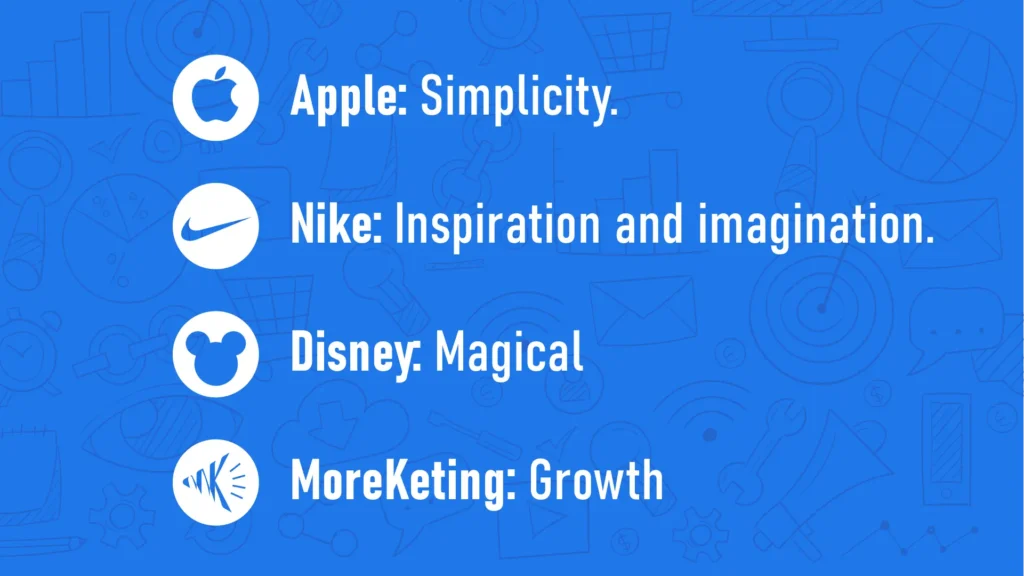
None of these impressions are the result of logos alone — they are the product of feeling, consistency and experience that every brand brings to life. As Forbes notes, good branding creates emotional resonance that affects what people buy and how much they trust the company.
Branding is the heartbeat of your business. That includes the basics — like your visual identity (colors, fonts, imagery) and your messaging (tone, voice, personality) — as well as the overall experience you create. It’s all these elements combined that help people see, trust, and remember your company.
As a SaaS business, or an agency-based brand, everything you show your audience adds up to the sum of your identity as a brand – and one that will help you remain relevant in a sea of competitors and never forgotten by your users.
Branding is not the same as marketing or sales

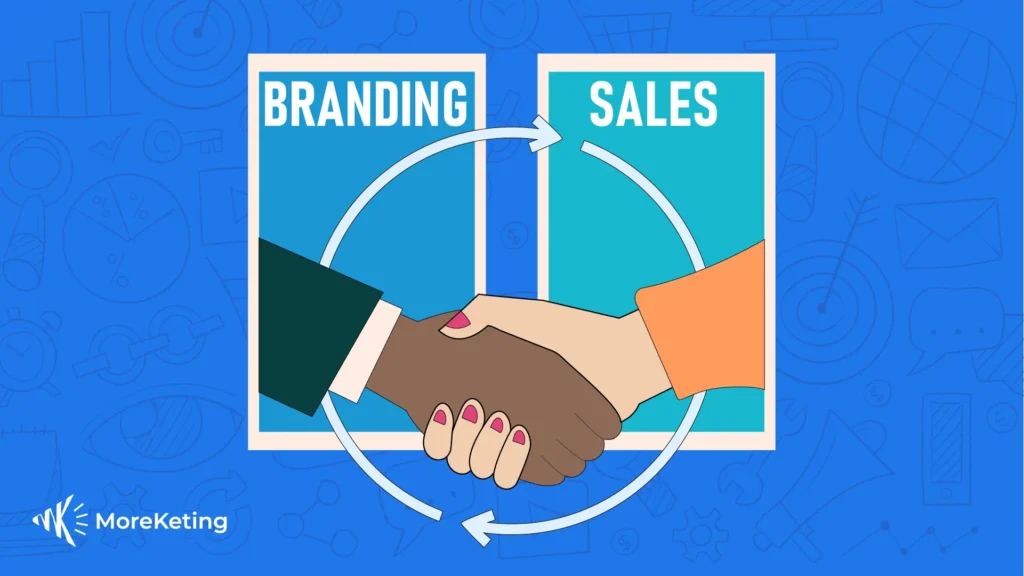
People often confuse branding with marketing and sales, but these are three distinct concepts. Brand building is about creating a solid and consistent image for your company. It’s not just about logos, taglines, or slogans; it’s also about how you treat your customers and how they perceive you.
What does someone see when looking at a brand not knowing anything beforehand?
Your branding should match this perception to maintain an overall positive image among your target audience.
Knocking it out of the park with your branding strategy will help build long-lasting relationships between customers and potential clients with your business by making them feel like they’re part of something special – something that matters more than just selling products or services (though those things are important, too!).
On the other hand, sales refers to the process of persuading a potential customer to purchase a product or service. The key is how sales needs to start being perceived as collab or partnership with branding.
Designing a sales strategy that conquers today’s world is a challenging job. But when you see the big picture and align the sales strategy with the essence of your branding, results will speak for themselves.
The most powerful part of a brand is the story behind it
The true magic in a brand resides in the story — and not just “how” you do what you do, but the more powerful “why.” It’s your story that defines why and how you’re different, memorable and emotionally compelling as a brand.
When you tell that story well — in your website copy, on social media, through sales calls or emails — people don’t just buy what it is you’re selling. They believe in your vision and the experience you’ve built through storytelling.
That’s why branding (and the story behind it) is often at the heart of a strong sales strategy. When a customer buys from you for the first time, they are testing not only your software, but also the experience you have built up around them. If your brand’s narrative is truthful — and relatable — people will pick you over competitors not simply for function but also for impact.
And your brand story helps customers see themselves in the creation of what you do. This sense of identification also gets them loyal and vocal (obviously) and more likely to come back — especially in SaaS, where trust is everything.
And telling your story isn’t confined to brand identity. That same story, voice and feeling. Your customer journey map — every touchpoint from the first ad or landing page to onboarding and support—should be imbued with that same narrative, voice, and feeling. Consistency builds trust.
Branding Case Study
Think of a SaaS tool for solo creators — somebody creates the company based on their own struggle to get predictable pay. Their brand story isn’t simply “we help creators invoice,” it’s: “I built this for the nights I stayed up worrying about my next paycheck.” When you integrate that personal story in your marketing and sales messaging, customers who’ve been there see themselves — and are more likely to trust you.
Storytelling is special, say branding specialists, because it creates an emotional connection and make you more real.
Having a recognized brand helps customers identify with you
It’s hard to overstate how important it is for your brand to create a lasting impression in the minds of your customers. The more they identify with you (and the product or service), the more loyal they’ll be, which means more sales for your business.
They also need to feel like a part of a larger community
A great example of this is Uber: The app lets users share their location with their friends and family, which adds an extra layer of trust between rider and driver—and makes sharing rides seem less like taking a cab (which is often seen as a last resort) and more like joining up with friends on something cool!
Your brand can help you stand out from your competitors
Your brand is the foundation of your business. It’s what people know you by, and it can help you stand out from your competitors.
If a customer has a bad experience with one aspect of your brand (i.e., poor support), they may not be willing to use any other parts of it again or recommend it to others.
Your brand should also be the first thing potential customers see when they land on your website or search for products related to yours—and even if they don’t buy anything from you immediately, having attractive and cohesive branding makes them more likely to bookmark your site for future reference if nothing else!
In an era of AI, authentic branding is your real advantage
If you’re just beginning to form your brand — or even if you’ve already established one and are counseling a client as it matures — step back first to determine what your company really stands for. It is your beliefs, your mission and the experience you deliver that makes memorable what we call a brand. Features can be copied. Prices can be matched. But a brand with genuine identity and real backstory can’t be faked in sales strategy.
And at a time when AI can create copy, content and visuals in seconds, authenticity stopped being a nice-to-have—it’s what makes you different. It’s possible to know when a brand is real, when its story is authentic and born out of experience and when the message it preaches matches up with what it does. This authenticity is your strongest competitive advantage and the basis for a successful sales strategy.
Now, direct that brand — its voice, story and values — more deliberately so it shapes all the experiences customers have with you. From your website to your demos, from onboarding to support, branding should influence how people feel when they come into contact with your company.
Done right, branding goes beyond recognition; it is a relationship. And connection results in trust, loyalty and an increase in sales.
There is a ton of information available—books, articles, resources—that are dedicated to branding, but none is going to be as effective as a strategy developed for your business and your story. If you seek direction, or if you simply want someone to walk alongside you through this process, ask for help.
Instead, let’s create a brand that feels true, remains consistent and breaks through in a world full of noise.
FAQ’s
The reason branding is so crucial to a successful sales approach is that it determines the way customers view, trust in and remember your business. When you have a strong, consistent brand Identity, every aspect of the sales process becomes so much easier – from capturing attention to converting leads into long-term clients.
Strong brands establish trust, emotional association and name recognition. That maintains consistency in your message at every point of contact, which means less chasing after the same leads and standing out from competition. When people trust your brand, they are more likely to make a purchase and return.
Stories are emotion-based, and they help customers relate to your brand on a more personal level. Rather than just features or benefits, storytelling is how you express your purpose, values and identity. This emotional connection generates trust and gives you a chance to stand out from the other businesses in your crowded market.
From first ad touchpoint to onboarding and support, a customer journey map is what helps you deliver that consistent brand experience at every stage. When your brand’s stories, tone, and values echo through every touchpoint, you earn trust, minimize friction, develop long-term relationships.